2024-2025 Award for Excellence in Teaching At UW-Madison History Department
Courses
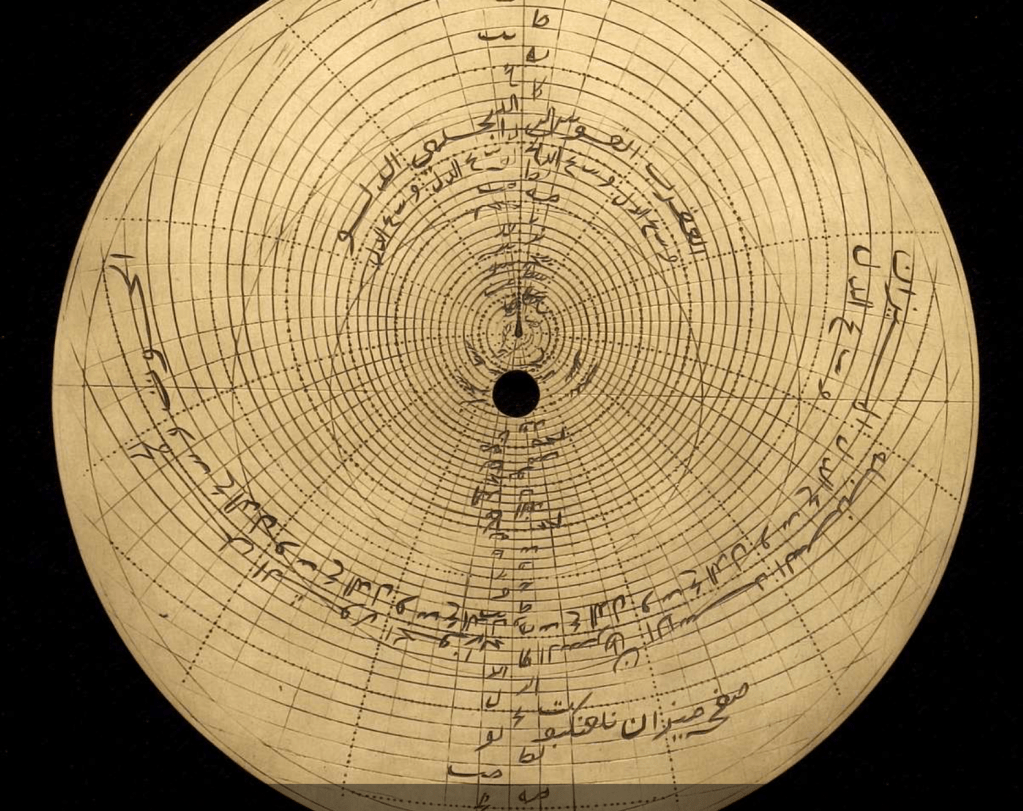
“Imagining the Medieval World”
– A seminar capstone course that explores the development of representations and images of the natural world in medieval and pre-modern scientific communities from a global perspective.
“Ancient and Medieval Science in a Global Context”
– A course that examines the sciences of the ancient and medieval period from a global perspective, beginning with the Babylonians and Egyptians in the first millennium BCE and ending with the Western European voyages to the Americas and the East Indies ca. 1500.

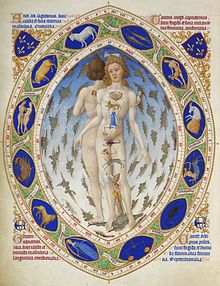
“Bodies, Diseases, and Healers”
– A survey of different conceptions of how the body as a site of sickness has been understood from Antiquity to contemporary medicine. Includes consideration of the origins and evolution of public health, the changing social role of healers, and the emergence of the modern “standardized” body in health and illness.
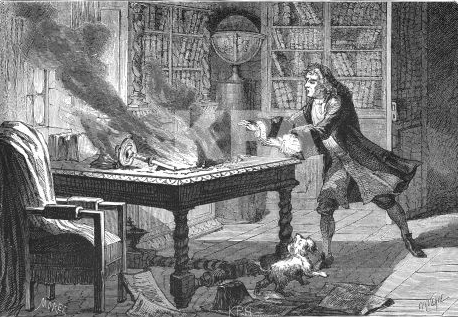
“The Making of Modern Science”
– A survey class of major trends and developments in the sciences from the 17th century to the early 20th century. Emphasis on those with broad cultural and social implications.
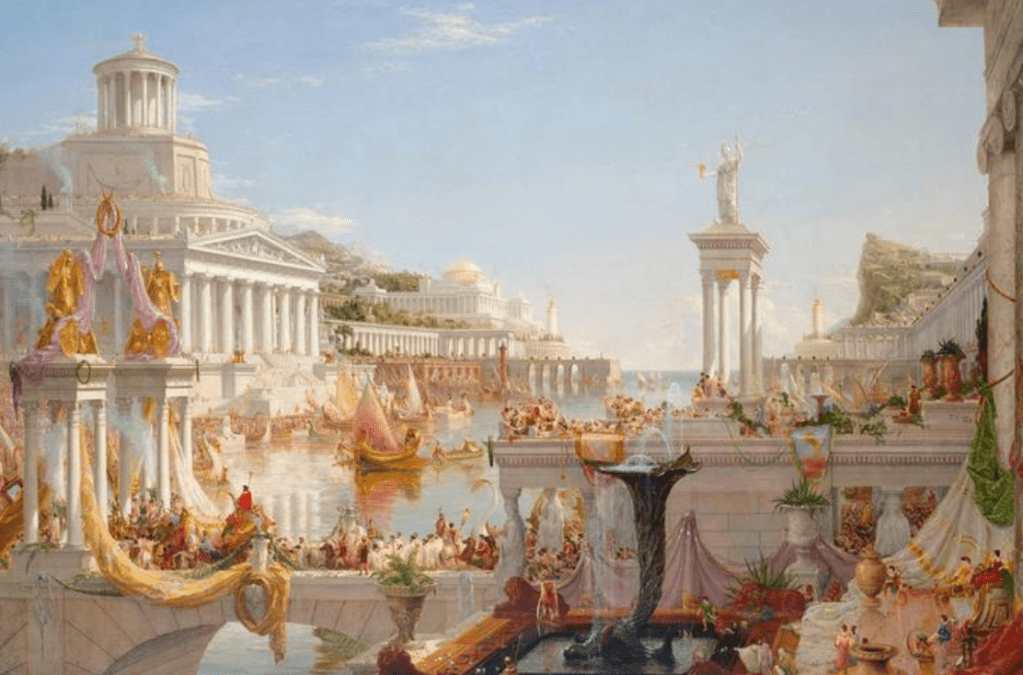
“World Civilizations”
– World history since the Agricultural Revolution in 10,000 BCE with emphasis on the global nature of historical changes.
“Global History”
– A core curriculum that considers the interactions between multiple cultures in the lead up to the fifteenth and sixteenth centuries, and then continued shared experiences to the present. Key themes are ideas, inventions, and systems of interaction.
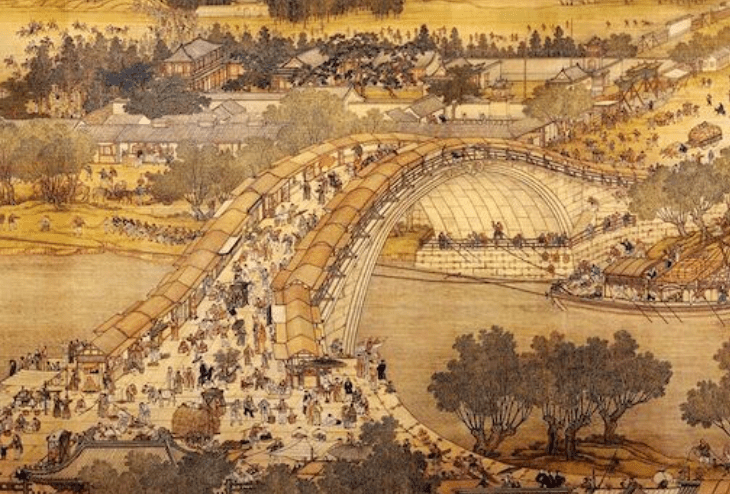

“Survey of the History of China”
-A survey class investigating the emergence of the modern Chinese state from its pre-historic periods to the current moment. The groups and individuals that make up modern China constitute a diverse society of many cultures and communities that constitute a common social, economic, and intellectual web of intercommunication and trade. This course traces the origins of this web, which connects Chinese society to the regional community of East Asia as well as a global system of world commerce.

 Nicholasajacobson